
OFVI – ABC
OFVI – ABC
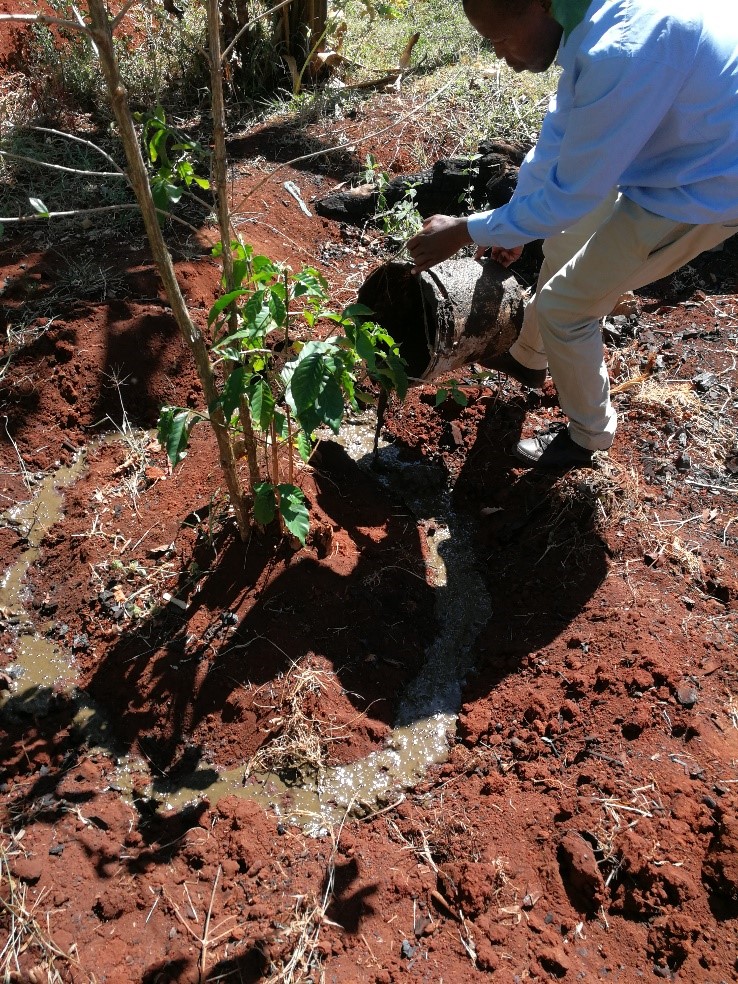
Soil health challenges
As soil organic matter levels drop, the soil’s ‘sponge’ capacity to absorb and retain water decreases. Consequently, topsoil becomes prone to runoff and erosion, which leads to nutrient losses and – worse – the soil becomes even more vulnerable to floods and droughts.
Climate change accelerates soil degradation. Add to this rising food and fertiliser prices, and you have a strong case for bio-slurry: a unique source of nutrients and organic matter produced by biodigesters.
OFVI objective and outcomes
The African Biodigester Component (ABC) is funded by the Netherlands and the Danish development cooperation. Its projects in Burkina Faso, Kenya, Mali, Niger and Uganda strengthen the biodigester value chain, valorising biogas for cooking, and this project: Organic Fertiliser Valorisation Implementer (OVFI), valorising bio-slurry.
OFVI’s objective is to increase the use and valorisation of organic fertiliser among existing and future biodigester owners, to improve business cases for investing in biodigesters, and thereby sustain demand for and use of biodigesters in the target markets.
The project aims to contribute to:
OFVI consortium
The OFVI consortium consists of Biomass Research (lead), DIBcoop and SNV, all based in the Netherlands, in close cooperation with selected National Partners (NPs) in the five countries. OFVI collaborates with other projects in the ABC programme.
Vision on market development
In OFVI’s implementation, National Partners in Burkina Faso, Mali, Niger, Kenya and Uganda play a key role.
For bio-slurry market development OFVI will: